|
Credit Score Management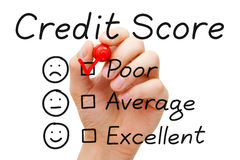
As consumers, we have to apply proper credit score management techniques to develop or maintain a great credit score. Creditors make lending decisions based on our individual credit scores, which is an indication, based on our past transactions, of how we will pay our debts back in the future. A credit score translates consumer credit history into one single number by applying mathematical tables that assign points based on past credit history and activities. There are many types of credit scores, which are used by creditors, but the one widely computed by the three credit reporting agencies and used by creditors is the FICO score. The Fair Isaac & Co. developed the FICO score in late 1950s and each credit bureau provides three FICO scores to be used by creditors. Some creditors may use one of the FICO scores while others may use all three variations of the score. Many things impact our credit scores and credit worthiness as well as decisions made by creditors such as: 1- The ratio of our total debts to our income, 2- The ratio of credit used to credit available, 3- Late payments of our monthly minimum amounts due, 4- Number of line of credits and total credit amounts available, 5- The length of time credit is established, 6- Negative credit information such as foreclosures, collection and charge-off, 7- Length of time at current residence, 8- Erroneous information reported to the credit bureaus by the creditors, and 9- Identity fraud impacting our credit history without our knowledge. Our debt payment strategy may be good or bad for us as consumers as well as the lenders. What’s good for us may not be good for lenders and vice versa. For example, lenders may prefer to get paid the minimum amount due and on time until the debt is fully paid off maximizing their profits. While this lender-preferred strategy ensures maximum interest income for lenders, consumers are the losers in this game. Although a good debt management technique may require to pay all debts in full as soon as possible, a good credit score management strategy may require the consideration of timely payments of minimum monthly dues for at least some of our debts, in order to establish a credit history and improve our credit score. For example, if we pay cash for all of our purchases or if we pay the full amount of our debts when the first minimum payment is due, a credit history cannot be established quickly. Therefore, it is very important to build a credit history, while paying the least amount of interest through a sound credit score management strategy. How to improve your credit score Below you will find a few simple tips for improving your credit score: 1- Obtain and review your credit report information, 2- Contact the agencies to correct errors in your credit report either due to creditor mistakes or identity theft. Learn about your rights as well as creditor and credit bureau responsibility with regards to your credit report information under Fair Credit Reporting Act and Fair and Accurate Credit Transaction Act, 3- Close some unused accounts. Too many open credit lines can adversely affect your credit score because when you have a high credit limit available, you can quickly become a risk to lenders who may not get paid. Also, closing all well established credit accounts may not be a good idea either because you eliminate the history of owning and managing credit accounts. So, consider keeping some older accounts which offer great benefits such as credit card points and eliminate recently established unused accounts, 4- Reduce your liability. You may not always be able to do this, but if you have cash savings, pay off your credit card debts or other revolving account balances, 5- Pay bills on time even if it's just the minimum payment. Your obligation is just limited to paying the minimum amount due on your statement and as long as you pay that amount, you can rest assured you are applying great credit score management techniques, 6- Avoid being referred to the collection agencies and always try to negotiate a payment strategy before they send your case to the collections, 7- Avoid charge off by negotiating with the collection agencies and the creditors for a lump sum payment, however, remember that even settled accounts can appear on your credit report for 7 years, 8- Avoid excessive inquiries by applying for too many new credit lines too often, 9- Don’t max out on your credit lines, and 10- Apply a balanced credit score management technique that takes into consideration avoiding excessive interest payment, and, creating a credit history by applying for limited revolving credit lines and making monthly minimum payments on time. Go to the identity theft awareness home page after credit score management. |